

Your Tires Are Labeled With Everything. Nobody Reads It.
There is a string of characters on the side of every tire you own that says what it can carry, how fast it can run and how old it already is. Most drivers have never decoded one of them.

Four times in the life of most cars, somebody stands at a counter and chooses between tires based almost entirely on price, brand recognition and whichever set the shop happens to have in stock. Meanwhile the answer is molded into the rubber in raised letters an inch tall, has been the whole time, and takes about ninety seconds to learn.
The sidewall of a tire is a specification sheet. It states the size, the shape, the maximum load it can carry, the speed it was validated to, how it performs on wet roads, how long the tread is expected to last, and the week it was manufactured. Once those characters mean something, the tire aisle stops being a wall of similar looking black circles and becomes a set of clearly different products, some of which are wrong for your car regardless of price.
Paying too much to insure the car you already own?
One short form, up to five competing quotes, no obligation to switch. It takes about the same time as reading the rest of this page.
Decoding the Main String, Character by Character
The headline marking on almost every passenger tire in the country looks something like P225/65R17 102H. It appears to be one long code and it is actually five separate facts stacked together. Take them one at a time and the whole thing resolves into plain language you can act on.
The letter in front
A leading P means P metric, a passenger car tire. LT means light truck, built with stiffer construction and higher inflation pressures for hauling and towing. No letter at all usually indicates a Euro metric tire, which is broadly interchangeable with P metric but carries slightly different load calculations. This single character matters more than it looks, because fitting a light truck tire to a car adds unsprung weight and harshness for load capacity you will never use, and fitting a passenger tire to a truck that tows is a genuine safety problem.
Width, ratio and diameter
The first number is the section width in millimeters, measured sidewall to sidewall. The number after the slash is the aspect ratio, expressed as a percentage of that width rather than as an absolute measurement, which is the part that trips people up. A 65 means the sidewall height is sixty five percent of the width. Change the width and you have silently changed the sidewall height too, which is why substituting sizes by eye goes wrong so often. The R means radial construction, which is effectively universal now, and the last number is the wheel diameter in inches, one of the last imperial holdouts on an otherwise metric label.
Load index and speed rating
The trailing number and letter are the two most frequently ignored characters on the tire, and they are the two with real safety consequences. The load index is a coded reference to the maximum weight one tire can carry at its rated pressure. The speed rating letter is the speed the tire was validated to sustain. Neither is an invitation. Both are a limit, and both matter because tires below the vehicle manufacturer's specification will run hotter under the same conditions. Heat is what destroys tires. Matching or exceeding the original load index and speed rating is not an upgrade, it is the baseline.
The Markings Everyone Walks Past
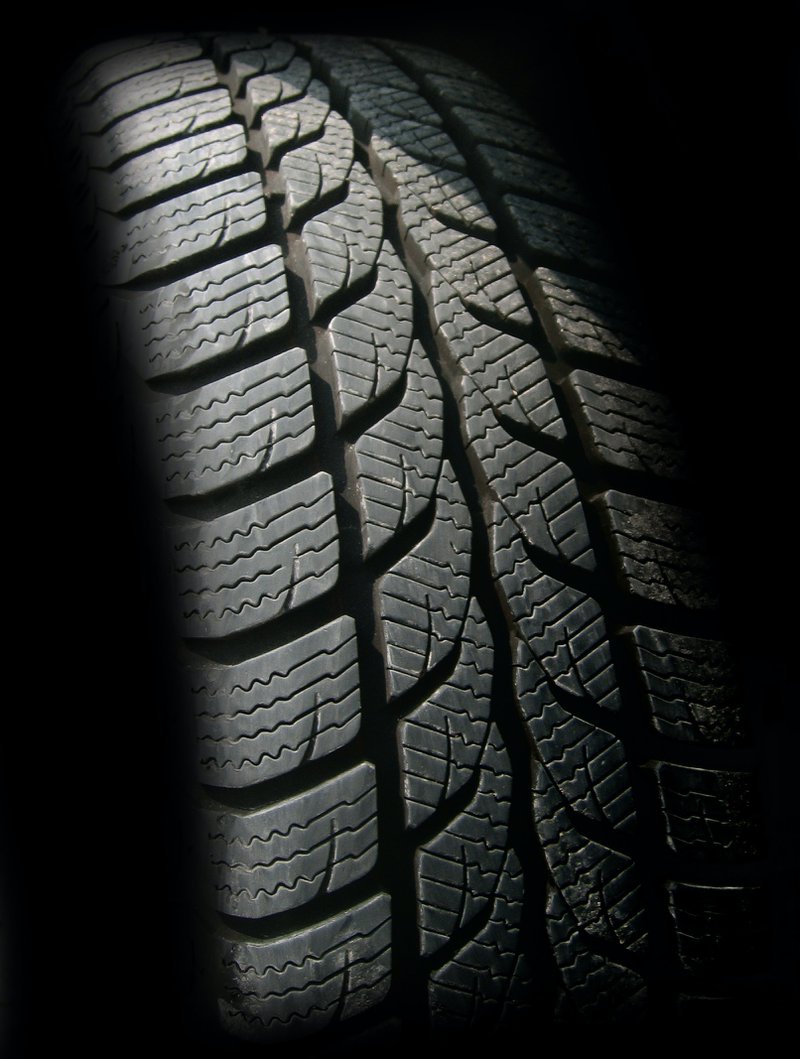
Past the size string there is a second layer of information printed in smaller type, and it is arguably the more useful half. These markings tell you how the tire will behave and how much life it has already spent sitting in a warehouse, neither of which is visible from the tread.
The DOT code, and the four digits that matter
Every tire carries a DOT identification number, and the last four digits are a date code. The first two are the week of the year, the last two are the year. A tire stamped 3623 was built in the thirty sixth week of 2023. This matters because rubber ages chemically whether or not it is used, and a tire that has sat in storage for four years before you bought it is not a new tire in any sense that counts. Check the code before the installer mounts anything. It is a completely reasonable question and any decent shop expects it.
Treadwear, traction and temperature
The Uniform Tire Quality Grading marks appear as a number and two letters, and they are commonly misread. Treadwear is a comparative index against a reference tire, and it is set by the manufacturer's own testing, which makes it useful for comparing two tires from the same brand and much less useful across brands. Traction, graded AA through C, measures straight line wet stopping on specific surfaces only. It does not measure cornering grip or dry braking. Temperature, graded A through C, describes heat dissipation at speed. Together they are a rough sorting tool rather than a verdict.
Severe weather and seasonal symbols
The letters M and S, sometimes shown as M+S, indicate a tread pattern that meets a geometric standard for mud and snow. It is a shape test, not a performance test. The three peak mountain snowflake symbol is the meaningful one, because it certifies measured performance in packed snow traction testing. If you drive in real winter conditions, that snowflake is the marking to look for and the M and S stamp on an all season tire is not a substitute for it.
The quick sidewall checklist
- Confirm the size string matches the door jamb placard, not the tire currently fitted, which may itself be wrong.
- Match or exceed the original load index and speed rating.
- Read the DOT date code and reject anything with years already behind it.
- Look for the three peak mountain snowflake if you see real snow, not just the M and S stamp.
- Note the maximum pressure marking, and then ignore it, because your correct pressure is on the door placard rather than the tire.
Know the part you need? Skip the parts-counter runaround.
Our locator searches new, used and remanufactured inventory so you can price the exact part before you commit to a shop.
Where Sidewall Literacy Saves Real Money
Reading the sidewall is not an academic exercise. It changes three specific decisions that most drivers get wrong, and each of the three is worth more than the ninety seconds it takes to learn the code.
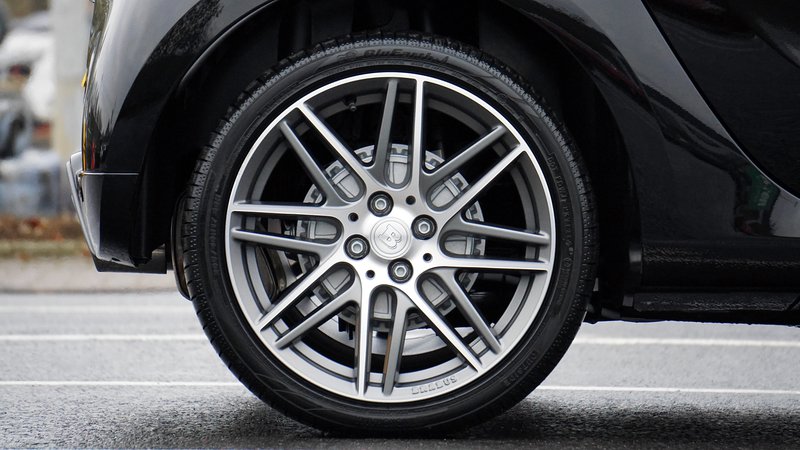
The first is plus sizing. Larger wheels with shorter sidewalls look better to most eyes, and they are genuinely popular for that reason alone. What the sidewall math tells you is what you are trading. A shorter sidewall means less rubber between the rim and the road, which means a firmer ride, more vulnerability to potholes, more expensive replacement tires, and often a heavier assembly that dulls acceleration and braking slightly. None of that makes plus sizing wrong. It makes it a trade you should enter deliberately rather than discover afterward. If you do go larger, keep the overall diameter within roughly three percent of the original so the speedometer and the electronic systems stay honest.
The second is refusing a substitution you did not ask for. Shops sometimes offer a size that is close but not identical because it is what they have in stock today. Now you can evaluate that offer instead of accepting it. Ask what the load index and speed rating are on the substitute, and compare them to the placard. If either is lower, decline. The third is the used tire market, where sidewall literacy is the entire defense. A used tire with plenty of tread and a date code from six years ago is a bad purchase at any price, and it is a purchase almost nobody inspects for. The same skepticism applies across the parts counter, as our guide to OEM, aftermarket and remanufactured parts lays out.
Ninety Seconds That Outlast the Tires
What makes the sidewall worth learning is that it never changes. Unlike almost everything else about buying for a car, the code is standardized, permanent and printed on the product itself. Learn it once and it works on every tire you will ever buy, on every vehicle you will ever own, at every shop in the country. There is no version of this knowledge that goes out of date.
The next time somebody quotes you a set of four, walk out to the car first and read what is already on it, then read the placard inside the driver door and note where the two disagree. That single comparison catches a surprising number of mistakes made by whoever fitted the current set. From there it becomes a straightforward matter of matching the specification and shopping on price rather than hoping the counter got it right. Easy Auto Part can help you locate wheels and tires that match what your vehicle actually calls for, once you know what to ask for.
Straight Answers to the Questions This Raises
The three things drivers ask us most once they have read this far.
How old is too old for a tire that still has tread?
Tread depth and age are separate questions. Rubber compounds harden and crack over time whether or not the tire is used, and many manufacturers and vehicle makers recommend replacement somewhere around six to ten years from the date code regardless of remaining tread. Check the four digit DOT date code, and treat a spare that has never touched the road with the same skepticism.
Can I fit a different tire size than the one on the door placard?
Only within narrow limits, and only if the overall diameter stays close to the original. Diameter changes affect the speedometer, the odometer, the antilock braking calculations and the transmission shift points. Width and profile changes also need enough clearance at full steering lock and full suspension travel. When in doubt, stay with the placard size.
Do I have to replace all four tires at once?
On an all wheel drive vehicle, usually yes, because mismatched rolling diameters make the drivetrain work against itself. On a two wheel drive car you can often replace in pairs, provided the new pair goes on the rear axle for stability. Our guide on whether to replace all four tires or just two walks through the specific cases in more detail.
More From the Easy Auto Part Garage
Practical guides on owning, insuring, fixing and financing a vehicle without overpaying for any of it.




Reading About Your Car Is Free. So Is Finding Out What It Should Cost to Insure.
Easy Auto Part matches you with insurers competing side by side on the same coverage. Fill in one short form and compare what comes back. No obligation, no cost, no pressure to switch.